

Short answer: buying a condo in the GTA may make sense in 2026 for buyers who value choice, a shorter closing timeline and greater certainty about the property they are purchasing. Resale condos currently offer more visibility into the building, monthly costs and neighbourhood. Pre-construction may offer newer finishes and a longer planning period, but it also carries construction, financing, occupancy and market-value risks. An assignment purchase can be suitable in limited circumstances, but it is not automatically a safer or cheaper way to buy.
The right choice depends on your budget, intended use, financing capacity, time horizon and ability to absorb unexpected costs. Here is a practical Toronto condo buyer guide for comparing the three options.
What is happening in the GTA condo market in 2026?
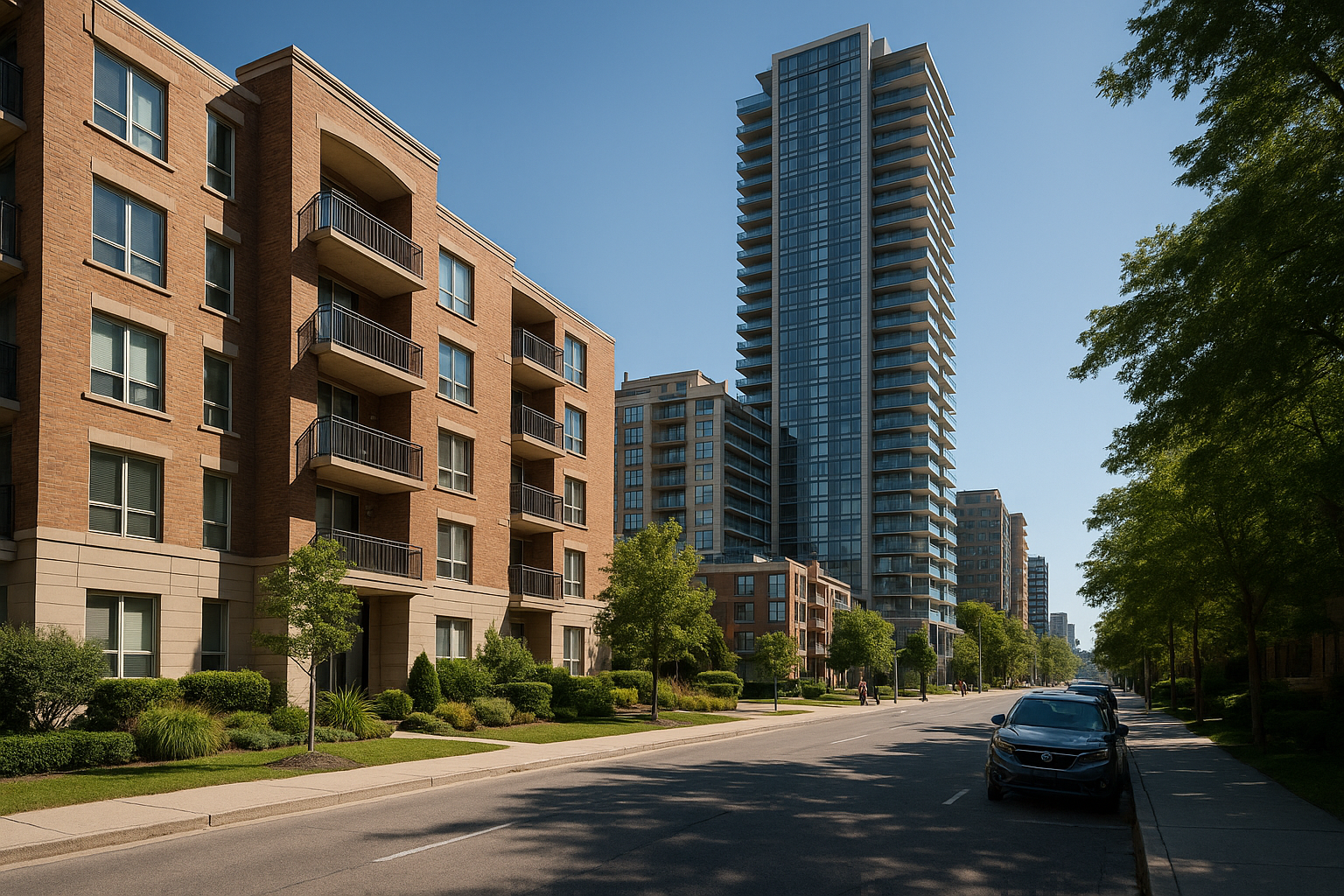
Recent market data shows a mixed environment. The Toronto Regional Real Estate Board reported 4,783 GTA condominium apartment sales in the second quarter of 2026, an 8.8% increase from the same quarter in 2025. At the same time, new listings declined 19.0% year over year and active listings declined 15.4%.
Despite the improvement in sales activity, the average GTA condominium apartment price was $634,972, down 7.5% from $686,387 a year earlier. Separate Toronto-area data reported by the Canadian Real Estate Association showed condominium apartment sales up 9.1% year over year, while the median apartment price declined 8.9% to $541,000.
This combination matters to buyers. Demand has improved, but prices remain below the previous year and buyers may still have room to compare properties and negotiate. Conditions can vary considerably by municipality, building, unit size and property type, so GTA-wide figures should not be treated as a valuation for any individual condo.
Resale versus pre-construction condo: what is the difference?
Resale condos
A resale condo is an existing unit being sold by its current owner. You can usually inspect the unit, review the building’s documents and assess the surrounding area before making an offer. The closing date is also typically much closer than with a pre-construction purchase.
The main advantage is certainty. You can see the actual layout, finishes, views, noise levels and condition of the building. You can also investigate current maintenance fees, property taxes, utilities, parking and locker arrangements.
However, resale buyers must investigate the condominium corporation carefully. Before committing, have your lawyer review the status certificate and related documents. Pay attention to the declaration, by-laws, rules, budget, financial statements, reserve fund information, insurance, litigation, arrears and any notices of special assessments.
A status certificate is not a simple pass-or-fail document. It should be considered alongside the building’s age, maintenance history, planned repairs, fee increases and the condition of common elements. A lower purchase price may be less attractive if the building has significant upcoming capital work or unusually weak financial management.
Pre-construction condos
Pre-construction means buying before the condominium is completed, often from a developer using a purchase agreement rather than a conventional resale agreement. Potential benefits can include new construction, current design standards, a staged deposit schedule and more time before occupancy or final closing.
The trade-off is that you are buying a future property whose final cost, completion date, appearance and market value are not fully certain. Floor plans, finishes, common areas and views may differ from the original presentation materials. Occupancy can be delayed, and the project may face changes before completion.
Ontario pre-construction agreements can also contain termination conditions related to sales thresholds, construction financing and municipal approvals. The developer may have rights that are different from those available to the purchaser. Tarion’s required addendum sets out important dates, delay procedures and potential compensation, but buyers should still obtain independent legal advice before signing.
Market risk is particularly important in 2026. The Bank of Canada has highlighted how a condo that is worth less at closing than its original presale price can leave the purchaser legally responsible for the original contract amount. A lender’s valuation may also be lower than the purchase price, creating a financing gap at closing.
Assignment purchases
An assignment occurs when the original purchaser transfers their rights and obligations under a pre-construction agreement to another buyer before ownership is transferred. Assignments can attract buyers who want a newer unit without waiting through the entire sales process, or who are looking for an opportunity created by another purchaser’s changed circumstances.
But an assignment is not the same as buying a completed resale condo. The original purchase agreement may require the developer’s consent, impose an assignment fee or restrict when and how the transaction can occur. The developer may refuse the assignment, and the original purchaser may remain liable for closing obligations in certain circumstances.
The assignment buyer should review the original agreement, amendments, disclosure documents, deposit history, development status, occupancy terms, closing adjustments and any outstanding obligations. Your lawyer should also clarify whether the transaction is an assignment of the agreement or a different type of resale arrangement. Tax treatment and financing should be reviewed early, not after an offer is signed.
Is buying a condo in the GTA cheaper than renting?
Not automatically. Ownership involves more than the mortgage payment. Buyers must budget for the down payment, land transfer tax, legal fees, appraisal or lender costs, property taxes, insurance, maintenance fees, utilities, repairs and possible special assessments. Pre-construction buyers may also face development-related adjustments and a long period of paying costs before receiving the expected use of the property.
Renting can provide flexibility and avoids some ownership risks, but it does not build ownership equity. The better comparison is your expected all-in ownership cost against comparable rent over the period you expect to stay. Include an allowance for maintenance-fee increases, financing changes and the opportunity cost of your down payment.
Is pre-construction safer than resale?
No. Pre-construction is not inherently safer than resale; it shifts risk rather than removing it. A new building may have fewer immediate repair needs, but the purchaser takes on completion, occupancy, developer, financing and future-value risk. A resale buyer has more information about the actual building, but may face older systems, maintenance concerns or special assessments.
For buyers who prioritize certainty, an established resale condo may be easier to evaluate. For buyers with a longer timeline, stable finances and a carefully reviewed agreement, pre-construction may still be appropriate. Neither option should be treated as a guaranteed investment.
When might an assignment purchase be unsuitable?
An assignment may be unsuitable if you need a predictable closing date, cannot fund a potential valuation shortfall or have not reviewed the original agreement in detail. It may also be inappropriate if the developer’s consent is uncertain, the deposit structure is unclear or the buyer is relying on short-term price appreciation to make the transaction work.
Investors should be especially cautious. CMHC reported that Toronto resale condominium apartment prices declined 13.4% between 2022 and the first quarter of 2025, while carrying costs increased 24% from 2022. Those figures illustrate why rental income, expenses and financing assumptions should be stress-tested rather than based on optimistic appreciation.
How should you decide which condo option fits?

- Choose resale when: you want to move sooner, inspect the actual property and evaluate the building’s financial and maintenance history.
- Consider pre-construction when: you can wait, understand the agreement and have sufficient financial capacity for delays, changes or a lower-than-expected valuation.
- Consider an assignment only when: your lawyer has reviewed the original contract and you understand the developer’s consent requirements, fees, closing obligations and financing implications.
Before making a decision, obtain a realistic mortgage pre-approval, calculate your complete monthly ownership cost and compare several buildings. Federal rules permit 30-year insured mortgage amortizations for eligible first-time buyers and purchasers of new builds, but a longer amortization generally reduces the payment while increasing total interest. Your lender can explain how the rules apply to your circumstances.
Bottom line for GTA condo buyers in 2026
Buying a condo in the GTA may be more attractive for some purchasers in 2026 because improved choice and lower prices compared with the previous year can create negotiating opportunities. That does not make every condo a good purchase, and it does not eliminate the risks of ownership.
Resale usually provides the greatest visibility. Pre-construction offers a future home but requires patience and financial resilience. Assignment purchases require the most careful contract review because the original purchaser’s obligations may not disappear.
If you are comparing these options, speak with a qualified real estate lawyer and mortgage professional before signing. A Team Sapphire real estate professional can also help you compare buildings, locations and purchase structures based on your intended use, budget and timeline.