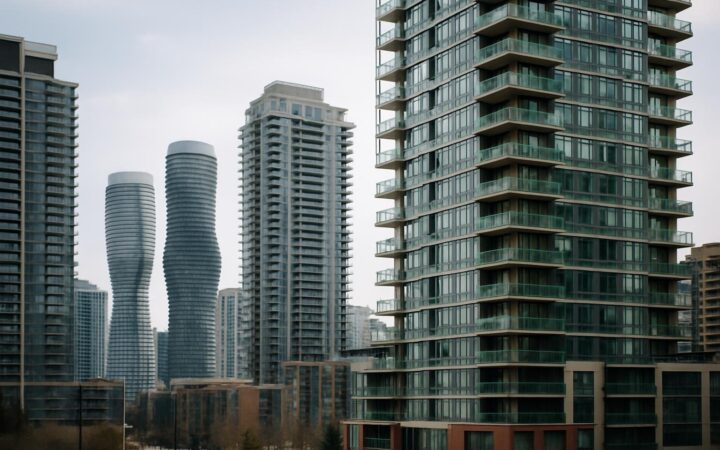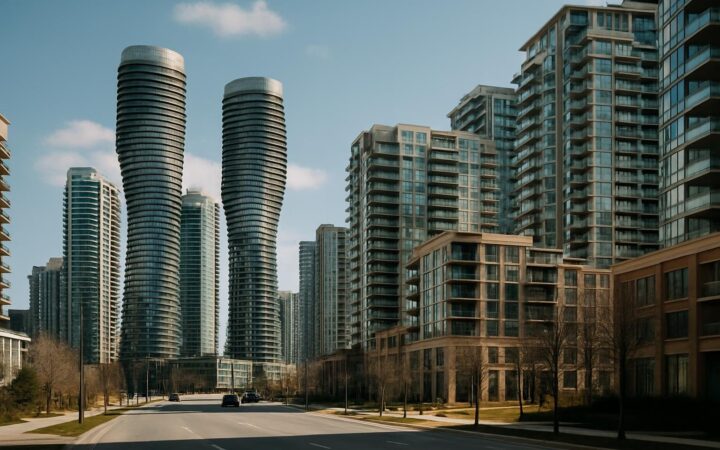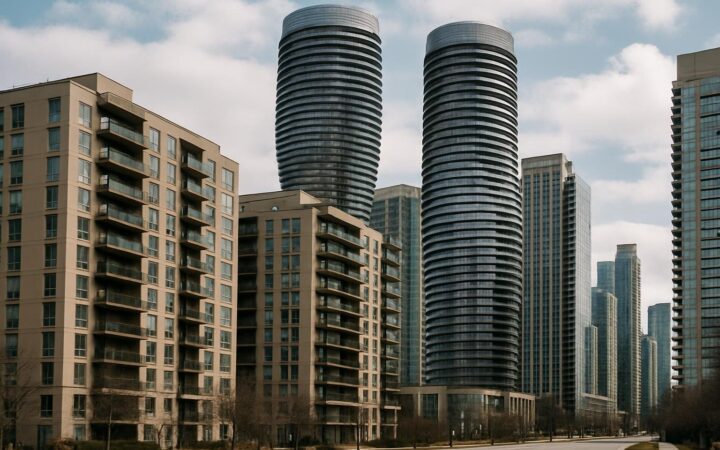

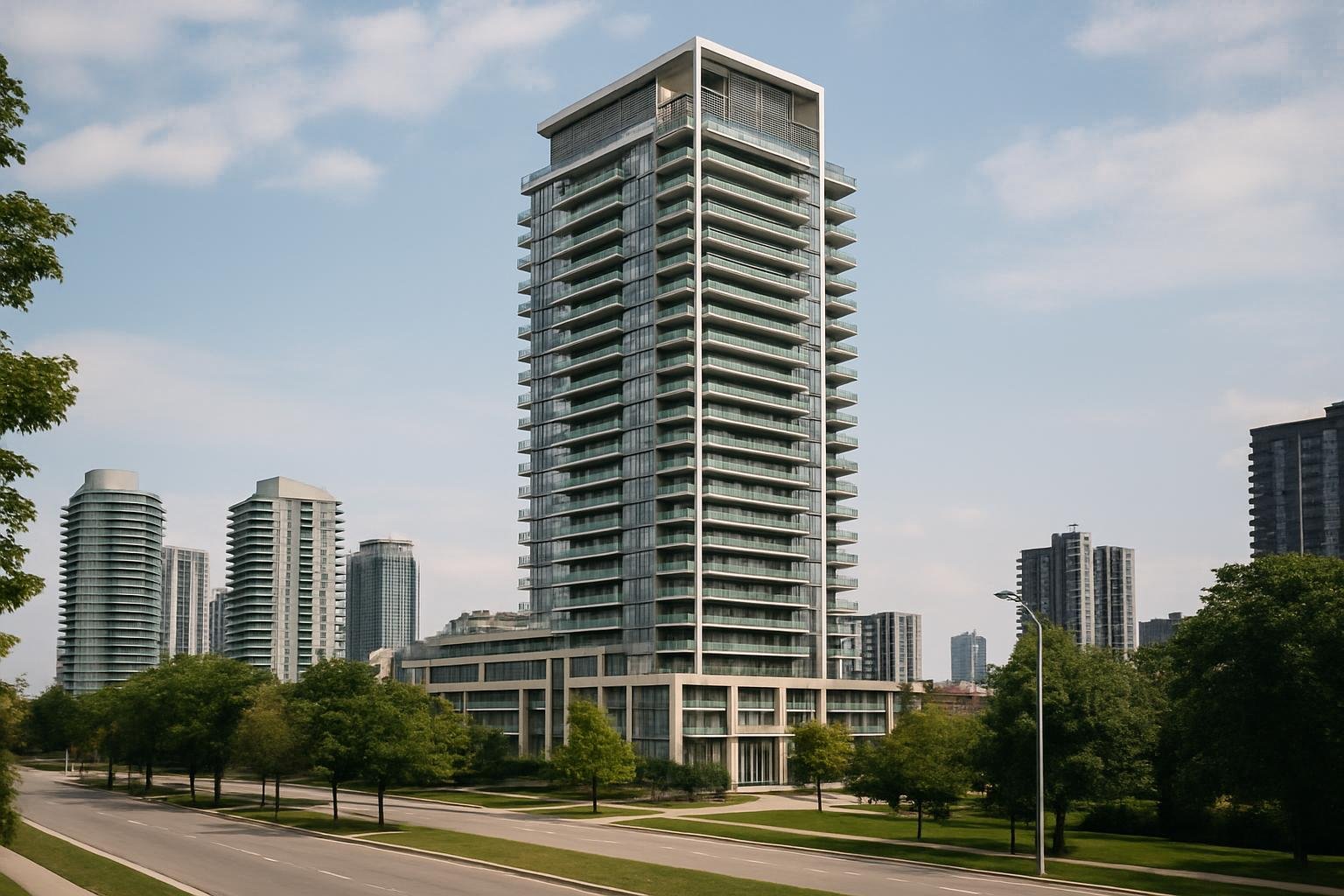
Buying a condo in mississauga starts with a realistic budget, mortgage pre-approval, and a building-by-building review rather than price alone. Check current market conditions, condo fees, reserve fund and status certificate details, closing costs, and ownership rules before offering. In late 2026, softer resale conditions may make careful conditions more practical.
Key takeaways
- When buying a condo in mississauga, compare both the unit and the building, not just the asking price.
- The supplied CREA Stats / Cornerstone Association of REALTORS figures show a softer Q3 2026 condo apartment market than a year earlier.
- Mortgage pre-approval matters because posted rates, stress-test rules, condo fees, property taxes, and debts all affect affordability.
- A status certificate condition can give your lawyer time to review the condo corporation’s finances, rules, insurance, reserve fund, and legal issues.
- Mississauga buyers should plan for Ontario land transfer tax, legal costs, adjustments, insurance, moving costs, and ongoing condo fees.
What does the condo in mississauga market look like?
The local picture in the supplied Q3 2026 data is more balanced than the frenzied conditions buyers sometimes imagine. Mississauga condominium apartment median sale price was reported at $465,000 in Q3 2026, down 10.7% year over year. Condominium apartment sales were 353 units in the same quarter, down 11.8% year over year.
Inventory also matters. Mississauga condominium apartments had 6.8 months of inventory at the end of Q3 2026, compared with 6.9 months in Q3 2025. Median days on market rose to 38 days from 33 days a year earlier. For anyone assessing a condo in mississauga, those numbers suggest more choice and more time than in a tight low-inventory market, though the best-priced units in preferred buildings can still attract attention.
Condo townhouses are a related but different category. The supplied brief reports 6.1 months of inventory for Mississauga condo townhouses at the end of Q3 2026, up from 4.5 months in Q3 2025, and described by CREA as the highest months-of-inventory level recorded in any quarter for that category.
For broader GTA context, TRREB’s condo market report says Q2 2026 condo sales were up from Q2 2025, while average condo apartment selling prices remained below year-earlier levels. Local Mississauga building data should still guide your offer more than a GTA-wide headline.
Step-by-step: buying a condo in mississauga
A clear process keeps buying a condo in mississauga from becoming a series of rushed decisions. Use this sequence before you fall in love with a view, layout, or lobby.
- Set your maximum monthly carrying cost, not just your maximum purchase price. Include mortgage payment, condo fees, property taxes, insurance, utilities not included in fees, parking, transit, and a maintenance cushion.
- Get mortgage pre-approval before touring seriously. Ask how condo fees are treated in your qualification and what happens if rates change before closing.
- Choose your target areas. Consider commute, transit, schools if relevant, future resale appeal, building age, and whether you prefer high-rise, low-rise, or condo townhouse living.
- Compare recent sales in the same building or directly comparable buildings. Active listings show seller expectations; sold listings show what buyers actually paid.
- Review the listing carefully. Confirm ownership of parking and locker, included appliances, rental equipment, exclusions, taxes, maintenance fees, and any restrictions noted by the seller.
- Make an offer with conditions that match the risk. Financing and status certificate review are common buyer protections when the market allows them.
- Have your lawyer review the status certificate and related documents before you waive the condition.
- Prepare for closing. Your lawyer will calculate land transfer tax, adjustments, title insurance if applicable, and remaining funds required.
- After closing, set up condo fee payments, insurance, utilities, move-in booking, elevator deposits if required, and building registration.
This order can change in a multiple-offer situation, but skipping due diligence increases risk. A lower price is not helpful if the building’s rules, costs, or financial health do not fit your plans.
How should you budget for a condo in mississauga?
The purchase price of a condo in mississauga is only one part of the budget. Your mortgage professional should test different price, down payment, and rate scenarios before you offer.
For down payments, the supplied federal rules are: 5% minimum for homes priced at $500,000 or less; for $500,000 to $1.5 million, 5% on the first $500,000 plus 10% on the portion above $500,000; and 20% for homes at $1.5 million or more. If your down payment is under 20%, mortgage loan insurance is typically required. The supplied brief states premiums range from 0.6% to 4.5% of the mortgage amount, and Ontario sales tax on the premium cannot be added to the mortgage.
Rate qualification is also important. The brief states OSFI’s minimum qualifying rate for uninsured mortgages is the greater of the contract rate plus 2% or 5.25%. The Bank of Canada posted rates table showed a 5-year conventional mortgage posted rate of 6.19% in the latest visible weekly table column for October 2026. Posted rates are not the same as negotiated rates, so use them as context, not as your final quote.
Closing costs need a separate cash plan. Ontario land transfer tax applies when buying land or an interest in land in Ontario. For agreements after 2016, the supplied Ontario formula is 0.5% up to $55,000, 1.0% from $55,000 to $250,000, 1.5% from $250,000 to $400,000, and 2.0% over $400,000 for most condo purchases below the surtax range. First-time homebuyers may qualify for an Ontario land transfer tax refund up to $4,000, with no LTT on the first $368,000 of consideration, if eligibility rules are met.
The brief also states Mississauga does not have permission from Ontario to create new revenue sources such as a municipal land transfer tax. That means Mississauga buyers should plan for provincial LTT, but not a Mississauga municipal LTT based on the supplied information.
Ongoing costs matter after closing. The City of Mississauga’s 2026 budget figures in the brief show a 4.39% City budget increase, a 1.61% increase on the City portion of the residential tax bill, and a total 2026 residential property tax increase of 5.21% when City and Region increases are combined. The example given is $53.91 more per $100,000 of assessed value. Your actual bill depends on assessment and classification.
What should you review before offering on a condo in mississauga?
Before firming up on a condo in mississauga, understand the role of the status certificate. The Condominium Authority of Ontario status certificate resource describes it as a key condominium document for buyers, owners, and mortgagees. The CAO also provides general guidance on status certificates and condominium records.
A status certificate package can help your lawyer assess the condo corporation, not just the individual unit. It may identify the monthly common expenses, whether the unit is in arrears, the reserve fund position, insurance information, legal matters, budget details, rules, and whether major cost issues have been disclosed. It is not a substitute for professional legal review.
In a slower market, buyers may have a better chance of including a status certificate condition. That does not mean every seller will accept one, especially for well-priced units, but it gives you a structured way to review the corporation before your deposit is fully committed.
Also review practical details before offering:
- Whether parking and locker are owned, exclusive-use, rented, or unavailable.
- What the condo fee includes, such as water, heat, air conditioning, internet, cable, or building amenities.
- Whether pets, short-term rentals, smoking, renovations, or flooring changes are restricted.
- Whether the unit’s layout fits your furniture, work-from-home needs, storage, and accessibility requirements.
- Whether the building has upcoming repairs, elevator issues, high amenity costs, or insurance concerns.
How do you compare buildings and locations?
The best condo in mississauga for one buyer may be a poor fit for another. A first-time buyer may prioritize affordability and transit. A downsizer may care more about elevators, parking, storage, and visitor access. An investor may focus on rental rules, tenant demand, and resale liquidity.
Start with location, but do not stop there. Mississauga has different condo submarkets, and buildings near the same intersection can have different fee levels, owner-occupancy patterns, amenities, management quality, and resale histories. Compare units within the same building first, then compare nearby buildings of similar age, style, and amenities.
Building age is not automatically good or bad. Newer buildings may offer modern finishes and amenities, while older buildings may have larger layouts. Older buildings can also have major repair cycles, and newer buildings can have growing pains after registration. The right question is not whether the building is new or old; it is whether the costs, documents, condition, and rules make sense for your plan.
Pay close attention to condo fees. A low fee can be attractive, but it may not include utilities or may rise as a building matures. A higher fee may be reasonable if it includes utilities, strong amenities, and adequate maintenance. Compare what is included before judging the number.
Who should be on your buying team?
When buying a condo in mississauga, involve the right people before you are under pressure. A real estate agent can help you compare buildings, interpret comparable sales, structure conditions, and understand offer strategy. A mortgage professional can test affordability, explain down payment requirements, and update you if rate assumptions change. A real estate lawyer can review the agreement, status certificate, title, adjustments, and closing funds.
You may also need an accountant or tax adviser if you are buying an investment property, assigning a new-build agreement, or relying on HST rebate rules. Do not assume resale and pre-construction tax treatment are the same.
Your team should help you answer practical questions: Can I comfortably carry this unit if condo fees rise? What happens if the appraisal is lower than the price? Is the status certificate clean enough for my risk tolerance? Are the building rules compatible with my use? What cash is needed on closing beyond the down payment?
What changes for new-build and pre-construction condos?
A new condo in mississauga can involve different risks than a resale unit. Occupancy, final closing, HST treatment, development charges, adjustments, and warranty coverage may all require separate review.
The supplied brief notes that interim occupancy means a buyer may occupy a pre-construction condo before title transfers. During that period, the interim occupancy fee cannot exceed interest on the unpaid balance, estimated monthly municipal taxes, and projected common expenses. The brief also notes Tarion says interim occupancy fees are not credited to the final purchase price, and the interim occupancy period can last from weeks to a year or more.
Tax rules for new housing are also nuanced. The brief states CRA guidance includes a first-time home buyers’ GST/HST rebate that has received Royal Assent, and Ontario’s 2026 budget proposed temporary relief from the 8% provincial part of HST for new housing in Ontario. It also states that first-time home buyers may be eligible for a rebate of 100% of the GST or federal part of HST on homes valued at or under $1 million, with rules for homes up to $1.5 million. Ontario enhanced new housing rebate rules may provide, together with existing Ontario new housing rebate, up to 100% of the 8% provincial part of HST on eligible Ontario new homes valued up to $1.85 million, subject to timing and eligibility rules.
Because these rules depend on agreement date, occupancy, price, assignment of rebates, and buyer status, review the agreement with a lawyer and confirm tax treatment before relying on any advertised rebate.
Your next step before choosing a condo in mississauga
If you are serious about a condo in mississauga, begin with a written budget and a short list of buildings rather than random showings. Ask your mortgage professional for a current qualification range, choose your preferred neighbourhoods, and have your agent compare recent sales and fee levels in each target building.
Before making an offer, decide which conditions you need and how much uncertainty you can accept. In late 2026, the supplied data suggests many buyers may have more room for careful due diligence than in a hotter market, but each unit still needs its own pricing, financing, and document review.
This article is general information and not financial or legal advice.
Related reading
- Should You Buy a GTA Townhouse or Detached Home When Affordability Is Tight?
- Should You Buy a GTA Condo to Live In or Rent It Out in 2026?
- How Does Interim Occupancy Work for an Ontario Pre-Construction Condo?
Frequently asked questions
Is late 2026 a good time to buy a Mississauga condo?
Late 2026 conditions appear less rushed than a hot seller’s market, with the brief reporting lower condo apartment median prices, softer sales, and longer median days on market than a year earlier. That can give buyers more room for due diligence, but the right decision still depends on your budget, building choice, financing, and long-term plans.
What should I check before making a condo offer?
Before making an offer, review recent comparable sales, monthly condo fees, included utilities, parking and locker details, rental or pet rules, and the building’s general condition. If you proceed, a status certificate review by your lawyer is important because it can identify financial, legal, insurance, reserve fund, or rule issues affecting the unit and corporation.
How much down payment do I need for a Mississauga condo?
Minimum down payment rules depend on the purchase price. For homes priced at $500,000 or less, the minimum is 5%. For $500,000 to $1.5 million, it is 5% on the first $500,000 and 10% on the portion above that. Homes at $1.5 million or more require 20% down.
Do Mississauga buyers pay a municipal land transfer tax?
Based on the supplied brief, Mississauga says it does not have provincial permission to create new revenue sources such as a municipal land transfer tax. Mississauga buyers should still budget for Ontario land transfer tax, plus legal fees, adjustments, insurance, moving costs, and any mortgage insurance-related tax that applies.
Who should review the status certificate?
A real estate lawyer should review the status certificate before you make the offer firm, especially if you are not experienced with condominium documents. The review can help flag arrears, litigation, special assessment risk, reserve fund concerns, insurance issues, and rules that may affect how you plan to live in or rent the unit.