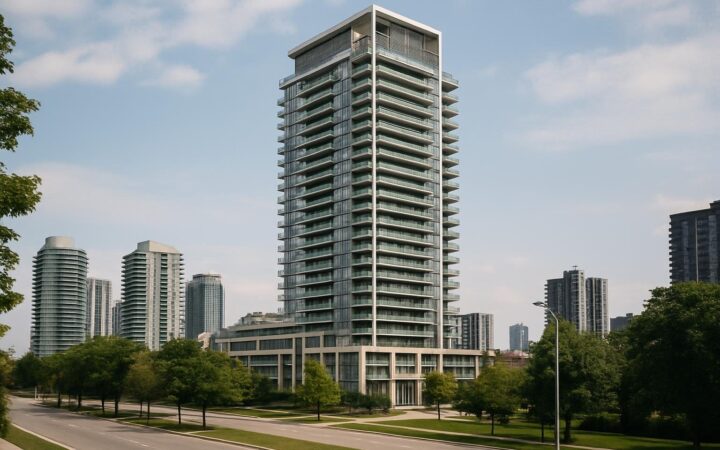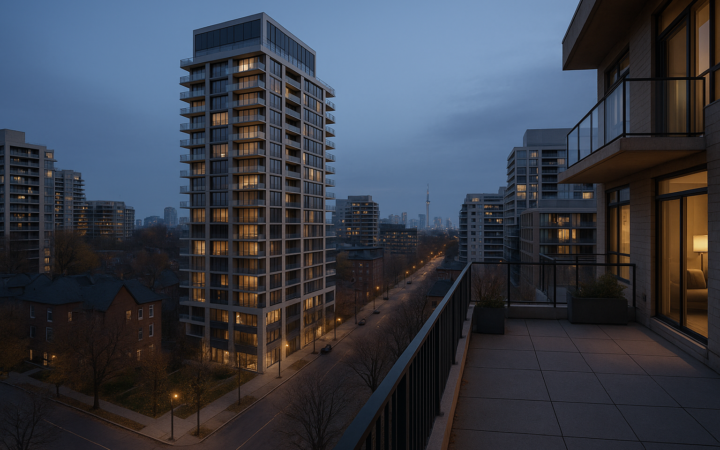


The best Mississauga condo neighbourhoods depend on your daily routine: Square One/City Centre for convenience and transit, Port Credit for waterfront and GO access, Cooksville/Fairview/Hurontario for central connectivity, Central Erin Mills for a quieter mall-and-transit hub, and Lakeview for emerging waterfront appeal. Compare buildings street by street before shortlisting.
Key takeaways
- The right area is less about a universal ranking and more about your commute, lifestyle, budget, building preferences and tolerance for density.
- Square One/City Centre is the most obvious choice for buyers who want a highly urban condo setting with transit and amenities close by.
- Port Credit is a strong fit for buyers who want a village feel, waterfront access and GO-oriented commuting.
- Cooksville, Fairview and the Hurontario corridor suit buyers watching transit-oriented growth and central access.
- Central Erin Mills may appeal to buyers who want a more suburban condo setting anchored by retail, services and transit connections.
- Lakeview is worth watching for buyers who like southeast Mississauga and waterfront planning, but building choice should be checked carefully.
How to compare Mississauga condo neighbourhoods before you shortlist
Choosing among Mississauga condo neighbourhoods starts with a simple question: what do you need the location to do every week? A buyer who works in downtown Toronto, visits family in west Mississauga and wants restaurants within walking distance may choose differently than a buyer who drives daily, wants larger space and prefers a quieter setting.
Mississauga’s planning framework also matters. The City says Mississauga Official Plan 2051 guides growth to 2051 and informs land use, transportation, housing, culture, environment and development review. It was adopted by Council on 2025-04-16 and approved with modifications by Ontario’s Ministry of Municipal Affairs and Housing on 2026-03-24. For condo buyers, that means today’s neighbourhood choice should be viewed beside planned intensification, transit corridors and redevelopment areas.
Current market conditions also support careful comparison rather than rushing. CREA Statistics reported Mississauga condominium apartment inventory at 6.8 months at the end of Q3 2026, slightly down from 6.9 months in Q3 2025, while median days on market for sold condo apartments was 38 days, up from 33 days a year earlier, according to Mississauga Market Conditions. Those figures do not tell you which building to buy, but they do suggest buyers may have room to compare options carefully.
Use this short framework before booking showings:
- Decide whether transit, driving, walking or lifestyle amenities matter most.
- Compare the same suite type across more than one area, not just one tower.
- Visit the area at different times, including evening and weekend periods.
- Check building age, reserve fund documents, condo fees, rules and recent comparable sales.
- Separate neighbourhood appeal from building quality, because both affect day-to-day satisfaction.
Best Mississauga condo neighbourhoods for convenience and transit
For many buyers, the best Mississauga condo neighbourhoods are the ones that reduce daily friction. That usually means easy access to transit, groceries, services, recreation, restaurants and major roads. The following areas often come up first because they combine condo inventory with practical access.
Square One and City Centre
Square One and City Centre are the clearest fit for buyers who want a dense, urban condo environment. The Downtown Core is described in the city planning framework as Mississauga’s highest-density mixed-use centre, with a major concentration of residential development, office buildings, retail, entertainment, civic and cultural uses.
Transit is a major reason buyers focus here. MiWay describes the City Centre Transit Terminal as Mississauga’s main transit hub and bus station, located at the northwest corner of Square One Shopping Centre and part of the 18 km Mississauga Transitway. For buyers without a car, or buyers who want to rely less on driving, that convenience is a major advantage.
The tradeoff is density. High-rise choice can be helpful, but it also means you should compare tower-by-tower details such as elevator wait times, visitor parking, loading areas, short-term rental rules, noise exposure, construction nearby and whether the suite faces a busy road or a quieter side. Square One may be convenient, but not every building will feel the same.
Port Credit
Port Credit is one of the most distinct Mississauga condo neighbourhoods because it combines waterfront character, a village-style main street feel and GO-oriented commuting. The local planning framework identifies a mix of high-rise buildings near the GO station, mid- and high-rise buildings along Lakeshore Road and around the harbour, plus low-rise residential streets.
This area is especially appealing for buyers who want to walk to restaurants, trails, parks and waterfront spaces. It can also suit commuters who value GO access and buyers who want a neighbourhood identity that feels different from the high-rise centre of Mississauga.
The caution is value comparison. Port Credit may not be the first place to look if your top priorities are the lowest possible entry price or the largest suite for the money. Buyers should compare older buildings, newer projects, parking availability, lake proximity and how close the building is to transit, Lakeshore Road activity and waterfront amenities.
Cooksville, Fairview and the Hurontario corridor
Cooksville, Fairview and the Hurontario corridor are practical areas for buyers who want central access and are watching transit-oriented change. The Official Plan identifies Growth Centres along Hurontario Street between Eglinton Avenue and the QEW, including Uptown, Fairview, Cooksville and Hospital Character Areas, with a focus on mixed-use development, employment, higher-order transit, walking and cycling.
Cooksville is particularly relevant for buyers who want GO connectivity. GO Transit station information identifies Cooksville as a station, and the broader corridor is also tied to the Hazel McCallion Line planning context. Metrolinx provides project information for the Hazel McCallion Line, which is relevant for buyers studying future transit access along Hurontario.
This part of Mississauga can appeal to buyers who want centrality without necessarily being in the Square One core. At the same time, street-by-street checks are important. Look at traffic noise, construction timing, walkability, building age, parking, visitor parking and how comfortable the walk feels from the building to transit.
Which Mississauga condo neighbourhoods suit different buyers?
Different Mississauga condo neighbourhoods serve different buyer profiles. Instead of starting with a map and asking which area is “best,” start with the buyer type that sounds most like you.
For car-light buyers
Square One/City Centre should be on the list because it has the strongest concentration of condo towers, retail and transit services. Port Credit may also work well if your routine is built around GO access, local restaurants and waterfront walking. Cooksville can be practical if GO, MiWay and the Hurontario corridor match your commute.
For Toronto commuters
Port Credit and Cooksville are worth comparing if GO access is important. Square One/City Centre may still work for some commuters depending on bus connections and final destination, but it is important to test the full trip, not just the first transit leg. A building that looks close on a map may feel less convenient if the walk, transfer or schedule does not fit your routine.
For downsizers
Downsizers often value convenience, security, parking, storage, visitor access and a comfortable neighbourhood feel. Port Credit may suit those who want walkability and waterfront character. Central Erin Mills can appeal to buyers who prefer a less downtown-feeling environment with retail and services nearby. Square One can work for those who want maximum convenience and do not mind a busier urban setting.
For buyers wanting a quieter condo setting
Central Erin Mills and parts of Erin Mills may be worth a closer look. The Official Plan describes Central Erin Mills as a Growth Node with retail and service commercial uses, community facilities and transit facilities serving the node and broader region. Erin Mills Town Centre remains the retail anchor, and surrounding lands have intensification potential.
This area may feel less like a downtown condo cluster than Square One. The tradeoff is that walkability can vary by building. Before assuming you can live car-light, test the walk to groceries, transit, parks and daily services from the exact address.
For waterfront-oriented buyers
Port Credit is the most established waterfront condo area for many buyers, while Lakeview is important for those watching southeast Mississauga and waterfront planning. The Lakeview planning context includes low-rise dwellings, apartments, buildings along key corridors and waterfront parks and trails as defining features.
Lakeview may appeal to buyers who want access to Toronto’s west side, the lakefront and a neighbourhood in transition. Because inventory and building types can vary, buyers should compare exact streets, distance to transit, maintenance fees and how much nearby redevelopment may affect day-to-day living.
What should buyers check inside each neighbourhood?
Even after you narrow your list of Mississauga condo neighbourhoods, the building can matter as much as the area. Two towers on the same street can have different fees, rules, amenities, management quality, elevator performance, exposure and resale appeal.
Before making an offer, review the details that affect ownership:
- Condo fees and inclusions: Check what is included and whether utilities, parking or locker costs are separate.
- Reserve fund and status documents: These help you understand the corporation’s financial and legal condition.
- Building age and major repairs: Older buildings may offer larger suites, but buyers should understand upcoming maintenance.
- Parking and lockers: Confirm ownership or exclusive-use rights, not just what appears in the listing.
- Transit walkability: Measure the actual walk from the lobby, not from the edge of the property on a map.
- Noise and exposure: Visit at rush hour, late evening and on weekends if possible.
- Short-term rental and pet rules: Confirm the rules match your intended use and lifestyle.
- Comparable sales: Compare similar layouts, views, parking and condition in the same building or nearby buildings.
A practical shortlisting process is to pick two or three areas, then compare three to five buildings in each. That approach keeps the search focused without locking you into one neighbourhood too early.
Are Square One, Port Credit or Cooksville better for resale appeal?
Resale appeal is not guaranteed in any location, and it can change with market conditions, interest rates, building condition and future supply. Still, some location features tend to be easier for future buyers to understand: transit access, walkability, recognizable amenities, parks, waterfront access, employment access and proximity to everyday services.
Square One has broad recognition and convenience. Port Credit has a distinctive waterfront and village identity. Cooksville and the Hurontario corridor have central access and transit-oriented planning. Central Erin Mills offers retail, community services and a less downtown-feeling setting. Lakeview offers waterfront-oriented potential in southeast Mississauga.
The safest way to think about resale is not to choose only the trendiest area. Instead, choose a location that solves a real daily problem for a wide range of future buyers, then confirm that the building itself is financially and physically sound.
Practical next step for shortlisting areas
If you are comparing Mississauga condo neighbourhoods, make a three-column shortlist: one area for maximum convenience, one for lifestyle fit and one for value comparison. For many buyers, that might mean Square One/City Centre, Port Credit and Cooksville, or Square One, Central Erin Mills and Lakeview, depending on commute and budget.
Then walk each area before booking too many showings. Start at the condo building, walk to transit, groceries, parks and the places you would use weekly, and time the route. If the location still feels practical after that test, move on to building-level review and recent comparable sales.
The best neighbourhood decision is the one that matches your real routine, not just a map search or a building photo. This article is general information and not financial or legal advice.
Related reading
- Buying a condo in mississauga: Complete Buyer Guide
- Mississauga condo maintenance fees in 2026: Budget Guide
- Should You Buy a GTA Townhouse or Detached Home When Affordability Is Tight?
Frequently asked questions
Which Mississauga neighbourhood is best for a first condo buyer?
There is no single best choice for every first buyer. Square One/City Centre often suits buyers who want transit, shopping and dense condo choice. Cooksville, Fairview and the Hurontario corridor may appeal to buyers comparing central locations and future transit access. The right fit depends on budget, building condition, fees, parking needs and daily commute.
Is Square One a good area to buy a condo?
Square One can be a strong area for buyers who value convenience, MiWay access, shopping, civic amenities and a large high-rise condo inventory. It is also a dense urban area, so buyers should compare noise, parking, elevators, visitor access, construction activity and the specific building’s reserve fund, rules and ownership mix before deciding.
Which Mississauga condo areas are best for commuting to Toronto?
Port Credit may suit commuters who want GO access with a waterfront setting. Cooksville can work for buyers focused on central Mississauga and GO connections. Square One/City Centre is strong for MiWay access and bus connections. Commute quality depends on your destination, work schedule, walking distance to transit and whether you need parking.
Where should downsizers look for condos in Mississauga?
Downsizers often compare Port Credit for walkability and waterfront amenities, Central Erin Mills for a less downtown-feeling setting near retail and community services, and Square One for maximum convenience. The best choice depends on suite layout, storage, elevator reliability, parking, visitor parking, nearby health services and whether the building feels comfortable day to day.
How should I compare condo neighbourhoods before booking showings?
Start with your real weekly routine: commute, groceries, family visits, recreation, medical appointments and airport or highway access. Then compare buildings within each area for age, fees, amenities, parking, noise, management, reserve fund documents and recent comparable sales. A good neighbourhood still requires building-level due diligence.